Risini Dinara Kumarasinghe
Passionate about Biomedical Engineering, Signal Processing & Neural Interfaces
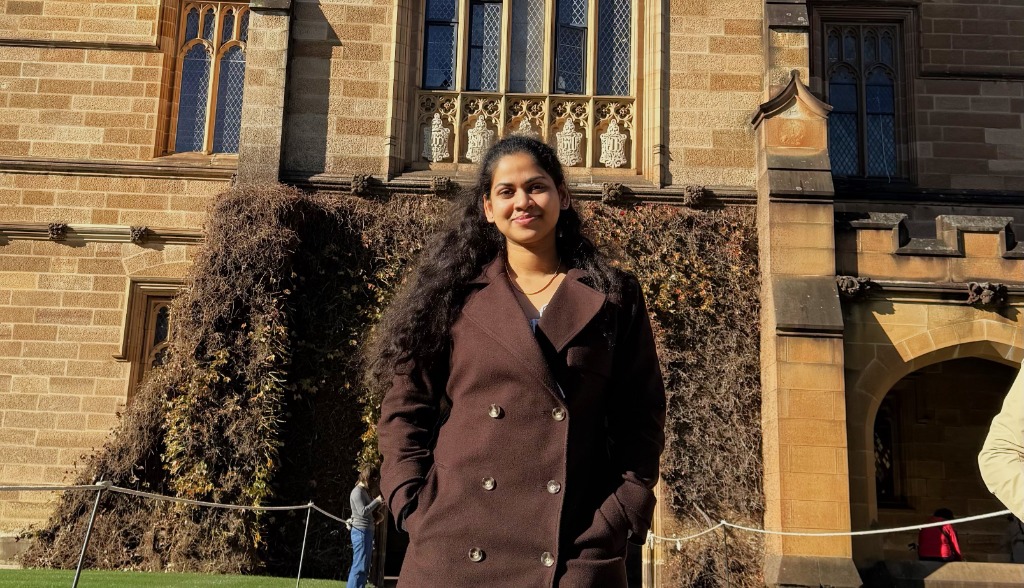
I am a Biomedical Engineering undergraduate at the University of Moratuwa, Sri Lanka, with academic interests in Biomedical Engineering, Signal Processing & Neural Interfaces. My focus is on applying signal processing and engineering methods to biological systems, particularly in rehabilitation and neurotechnology contexts.
I have research experience as a Research Intern at the School of Computer Science, University of Sydney, where I worked on three projects: electrotactile stimulation for sensory rehabilitation, Ear-EEG signal acquisition and analysis, and mycelium-based conductive composites for biosensing. My work involved experimental system development, signal analysis, and evaluation of safety and interface stability for non-invasive bioelectrical systems.
Academically, I maintain a cumulative GPA of 3.9+/4.0. I have been on the Dean’s List in six out of seven completed semesters, achieving a 4.0/4.0 GPA in five out of seven completed semesters. I obtained All-Island 2nd place at GCE O/L and All-Island 73rd place at GCE A/L, earning gold medals for academic excellence. My coursework has provided a strong foundation in signal processing, machine learning, biomedical instrumentation, and engineering mathematics.
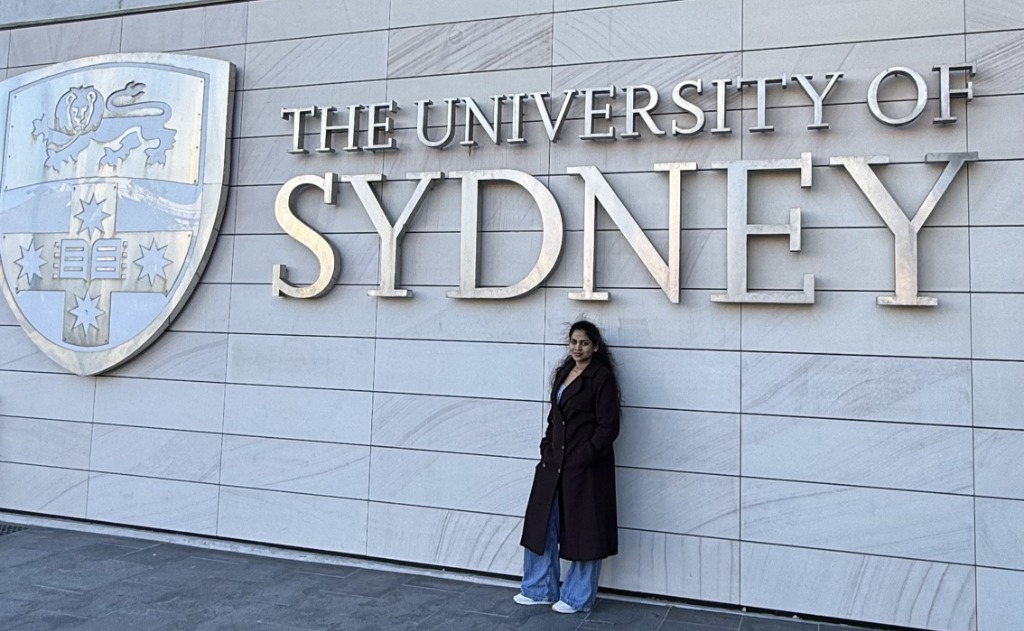
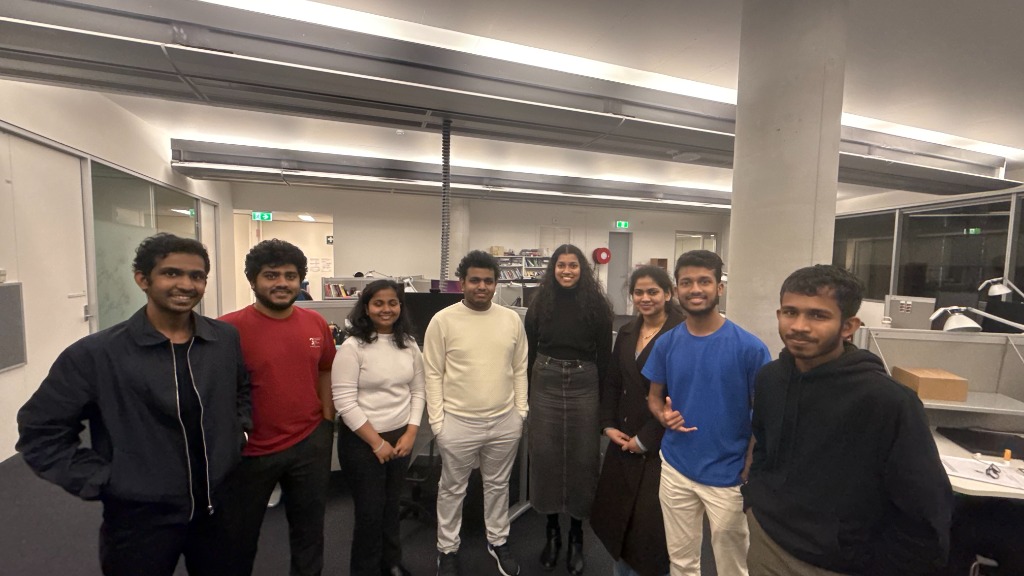
I conducted research on electrotactile stimulation systems for sensory rehabilitation, focusing on real-time waveform generation and multi-electrode control. This involved designing and implementing monophasic, biphasic, sine, and chirp stimulation patterns using precise PWM timing for embedded haptic interfaces. Additionally, I investigated Ear-EEG signal acquisition, covering sensor placement strategies, signal quality analysis, and safety considerations for non-invasive monitoring. I also designed and evaluated mycelium-based conductive composites for biosensing applications, analyzing their bioelectrical conductivity and stability, while contributing to the end-to-end research workflow from experimental design to technical documentation.
University of Moratuwa, Sri Lanka
GPA: 3.90 / 4.00 · Dean’s List: Semesters 1, 2, 4, 5, and 6
Relevant Coursework: Biosignal Processing, Digital Signal Processing, Signals and Systems, Pattern Recognition, Neural Networks, Medical Imaging, Modelling and Analysis of Physiological Systems, Biomedical Device Design, Medical Electronics, Applied Statistics, Numerical Methods, Linear Algebra, Differential Equations
Devi Balika Vidyalaya, Colombo
All-Island Rank: 73 out of ~34,389 candidates
Results: A passes in Mathematics, Physics, Chemistry, and English
Awards: Gold Medal for Best Performance at GCE A/L Examination
Samudradevi Balika Vidyalaya
All-Island Rank: 2 out of 312,464 candidates
Awards: Gold Medal for Best Performance at GCE O/L Examination
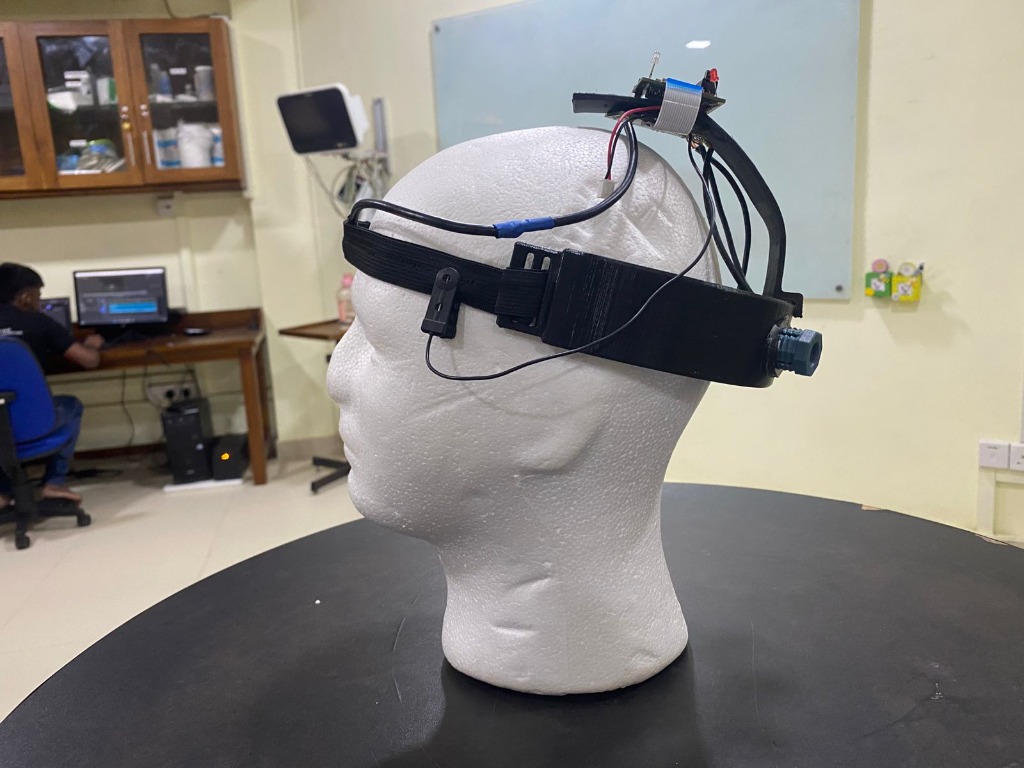
Developing a non-invasive EEG-based BCI that enables a locked-in pediatric patient to play computer games. Key contributions include designing robust signal processing pipelines, real-time lightweight classifiers, and patient-specific calibration. Additionally, a custom dry-electrode headset and Unity-based game interface are being built to ensure comfort and effective training.
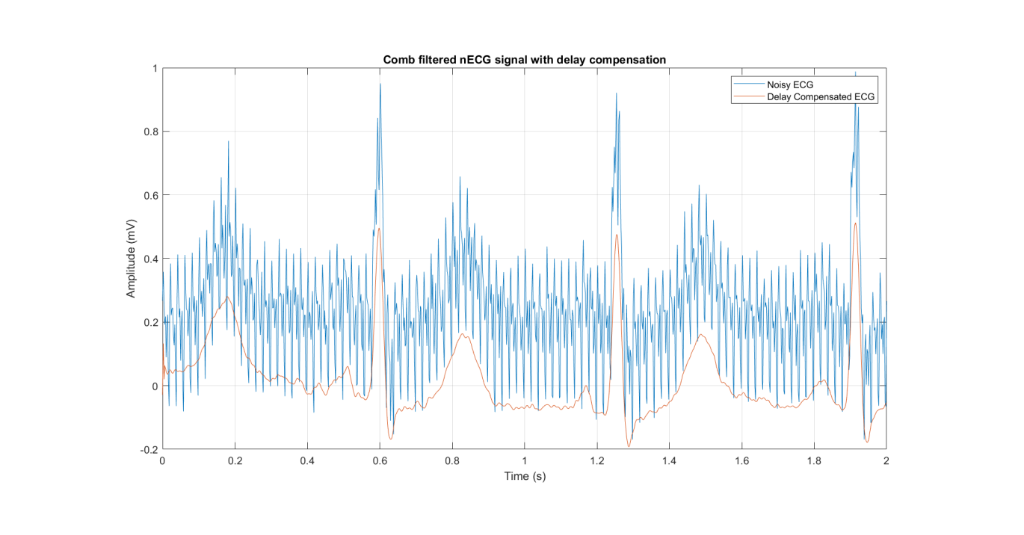
This project involved implementing end-to-end biomedical signal processing pipelines for ECG and related physiological signals using MATLAB. Key contributions include the design and evaluation of digital filters (FIR, IIR, moving average, comb), adaptive filtering techniques (LMS, RLS, Wiener) for non-stationary noise suppression, and wavelet-based time–frequency analysis for feature exploration. The work emphasized reproducibility through reusable scripts and experimental validation.
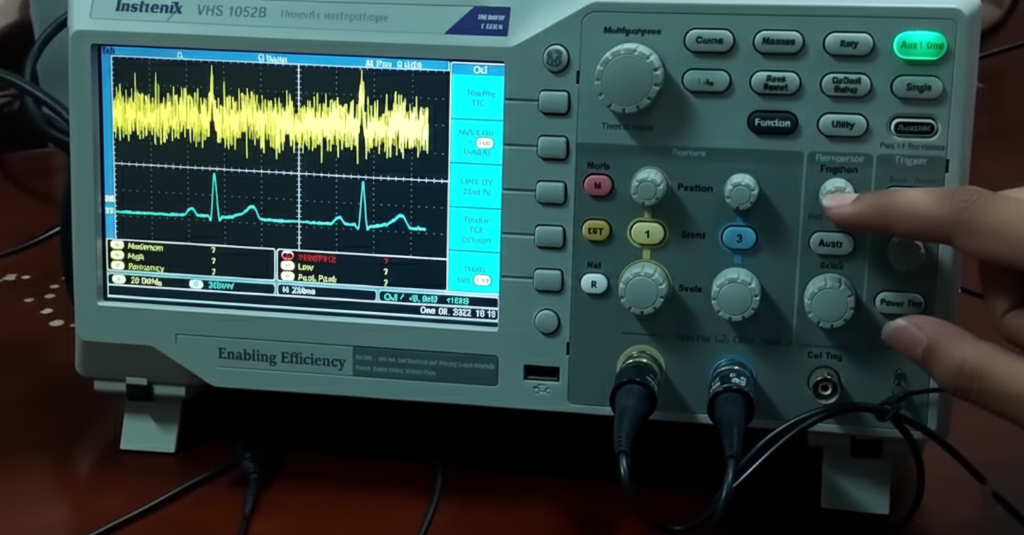
Designed and implemented a fully analog ECG acquisition system using discrete components and wet electrodes. The project involved developing a low-noise analog front-end with precision instrumentation amplifiers, active band-pass filtering, and a driven-right-leg (DRL) circuit for common-mode rejection. Key contributions included optimizing signal conditioning stages to mitigate 50Hz power-line interference.
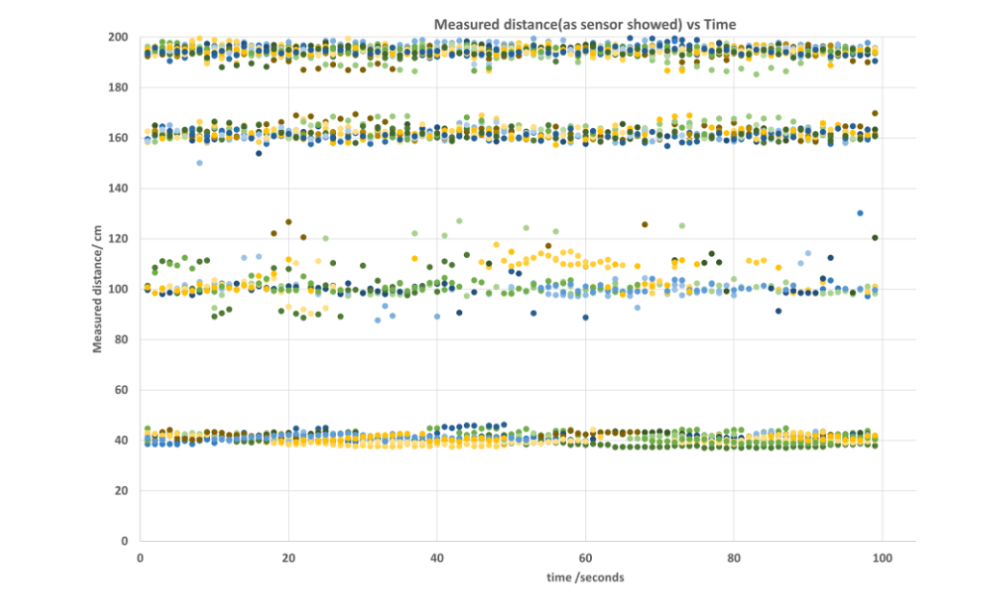
This project addressed the challenge of unreliable ultrasound-based height measurements caused by dense scalp hair. The work included contributing to data clustering approaches to separate valid reflections from noise and designing an improved mechanical enclosure to enhance sensor alignment and measurement stability. The project formed part of the MeasureUP initiative and progressed toward a deployable clinical device.
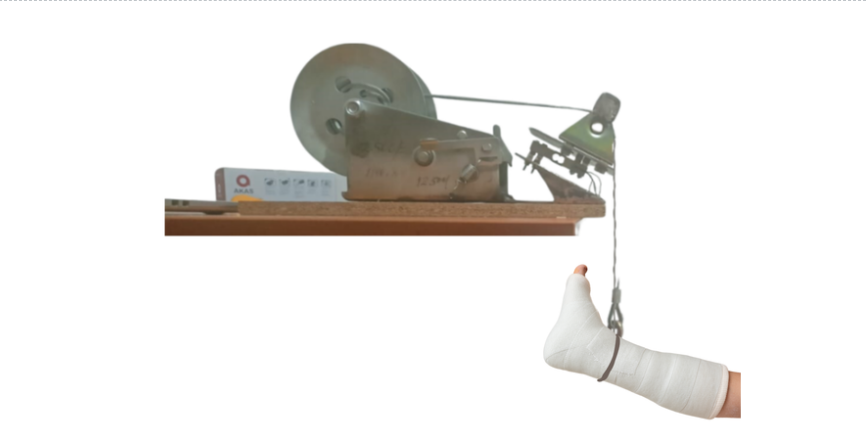
Developing a motorized zero-gravity body-weight support system for rehabilitation designed to counteract gravity and minimize lifting effort. Technical contributions include implementing a closed-loop control system that uses a load cell to measure tension and a PID controller to dynamically adjust a stepper motor's velocity. Additionally, I focused on the mechanical and ergonomic design, as well as enclosure design and mold development aligned with industry standards for clinical safety.
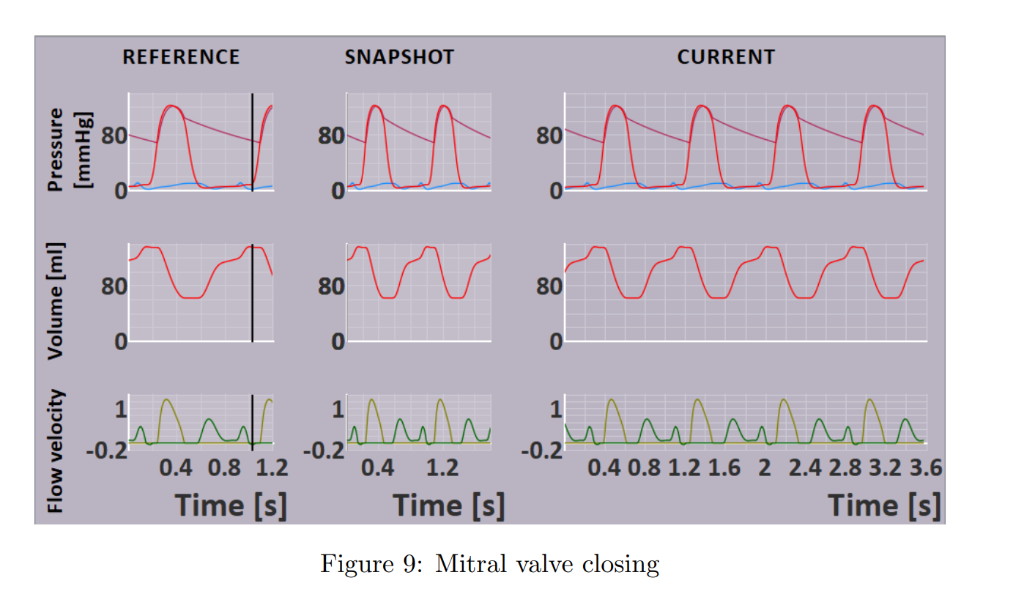
Implemented mathematical and computational models to simulate physiological dynamics across cardiac electrophysiology, neuronal networks, and respiratory mechanics. Technical contributions focused on developing Hodgkin–Huxley models, performing compartmental system analysis for dendritic tree approximations, and conducting rigorous simulation-based evaluations to characterize system behavior under varying physiological conditions.
English (Professional proficiency), Sinhala (Native proficiency)
Python, MATLAB, C/C++
Digital Signal Processing (DSP), Time–Frequency Analysis, Adaptive Filtering, Statistical Signal Processing, Feature Extraction, Classical Machine Learning, Deep Learning (CNNs, RNNs/LSTMs)
Biomedical Signal Processing (ECG, EEG, PCG, EMG), Noise and Artifact Modeling, Multichannel Biosignal Analysis
Python Scientific Stack: NumPy, SciPy, Pandas, Matplotlib
Machine Learning: PyTorch, TensorFlow
Signal Processing: MATLAB Signal Processing Toolbox
Version Control: Git
Microsoft Office Suite, LaTeX